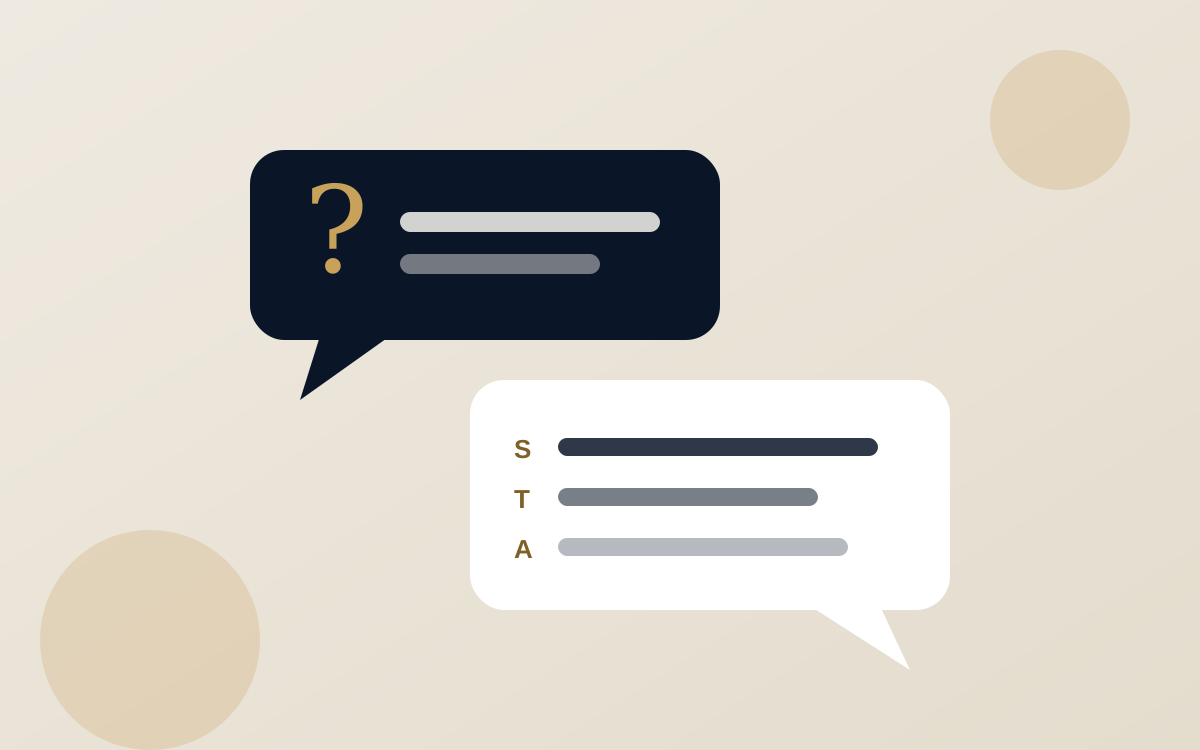
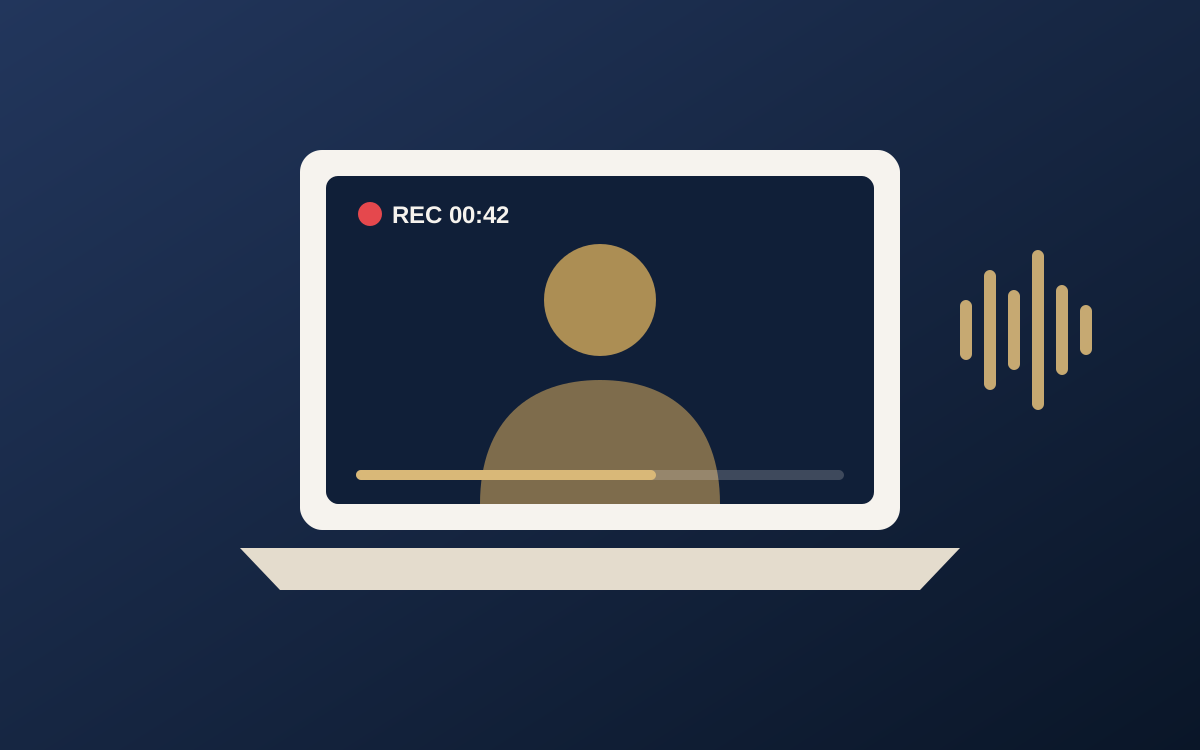
You pass HireVue on content, structure and delivery, in that order: answer the question in your first sentence, use a simple signposted structure, and look at the camera. Prepare outlines (not scripts) for the ten most likely questions, record yourself under the real time limits, and watch it back two or three times over a week.
In this guide
HireVue is the recorded video interview platform used by many banks, asset managers and Big Four firms. You are shown a question, given a short time to think, then a fixed window to record your answer. There is no interviewer to react to, which is what makes it hard. This guide covers what is being assessed and how to prepare so the format works for you rather than against you.
How does a HireVue interview work?
Expect five to eight questions. Each typically gives you 30 seconds to prepare and one to three minutes to answer, with one attempt per question. Some firms include a written or numerical question. Your recordings are reviewed by recruiters or the hiring team, often against a scoring guide tied to the firm's competencies.
- Read the invitation email carefully: it states the number of questions and timing.
- Complete it within the first few days. Rolling processes move on.
- Do a full practice run on the platform's test questions first.
What is HireVue actually assessing?
Content, structure and delivery, in that order. Content means you answered the question with relevant, specific evidence. Structure means the reviewer could follow your answer without effort. Delivery means you were clear, reasonably confident and looked at the camera. You are not being judged on production quality.
- Answer the question in your first sentence, then support it.
- Use a simple structure and signpost it.
- Eye contact with the camera, not the screen.
How should you prepare for HireVue?
Write down the ten most likely questions for the firm: motivation, competencies aligned to its stated values, and one or two commercial-awareness questions. Prepare bullet-point outlines, not scripts. Record yourself answering each in the time limit, watch it back, and adjust. Two or three rounds of this over a week is enough for most people.
- Outlines, not scripts. Scripts sound like scripts.
- Record, watch back, adjust. Repeat until it feels natural.
- Practise with the same time limits the firm uses.
What should you do on the day?
Quiet room, plain background, camera at eye level, light in front of you not behind. Dress as you would for an in-person interview. Have a glass of water, a pen and your outline notes out of shot. Speak slightly slower than feels natural, and if you lose your thread, pause and continue rather than restarting.
- Camera at eye level, light on your face.
- Slightly slower than normal speech.
- Pause and continue. Do not apologise on camera.
What are the most common HireVue mistakes?
Running out of time before the result of the story, answering a different question from the one asked, reading from notes, and giving generic answers that could apply to any firm. Each of these is avoidable with the preparation above.
- Finish with the result and what you learned.
- Re-read the question before you start recording.
- Make at least one point specific to the firm in every motivation answer.
Frequently asked
Is HireVue scored by AI?
Most firms now have recruiters or hiring managers review recordings against a scoring guide. Either way, the same things score well: relevant content, clear structure and clear delivery.
Can I retake a question?
Usually not. Some firms allow one retake per question. The invitation email will say. Prepare as though there are no retakes.
How long should my answers be?
Aim to use most of the available time without padding. For a two-minute window, 90 seconds to two minutes of structured content is ideal.